EN
EN
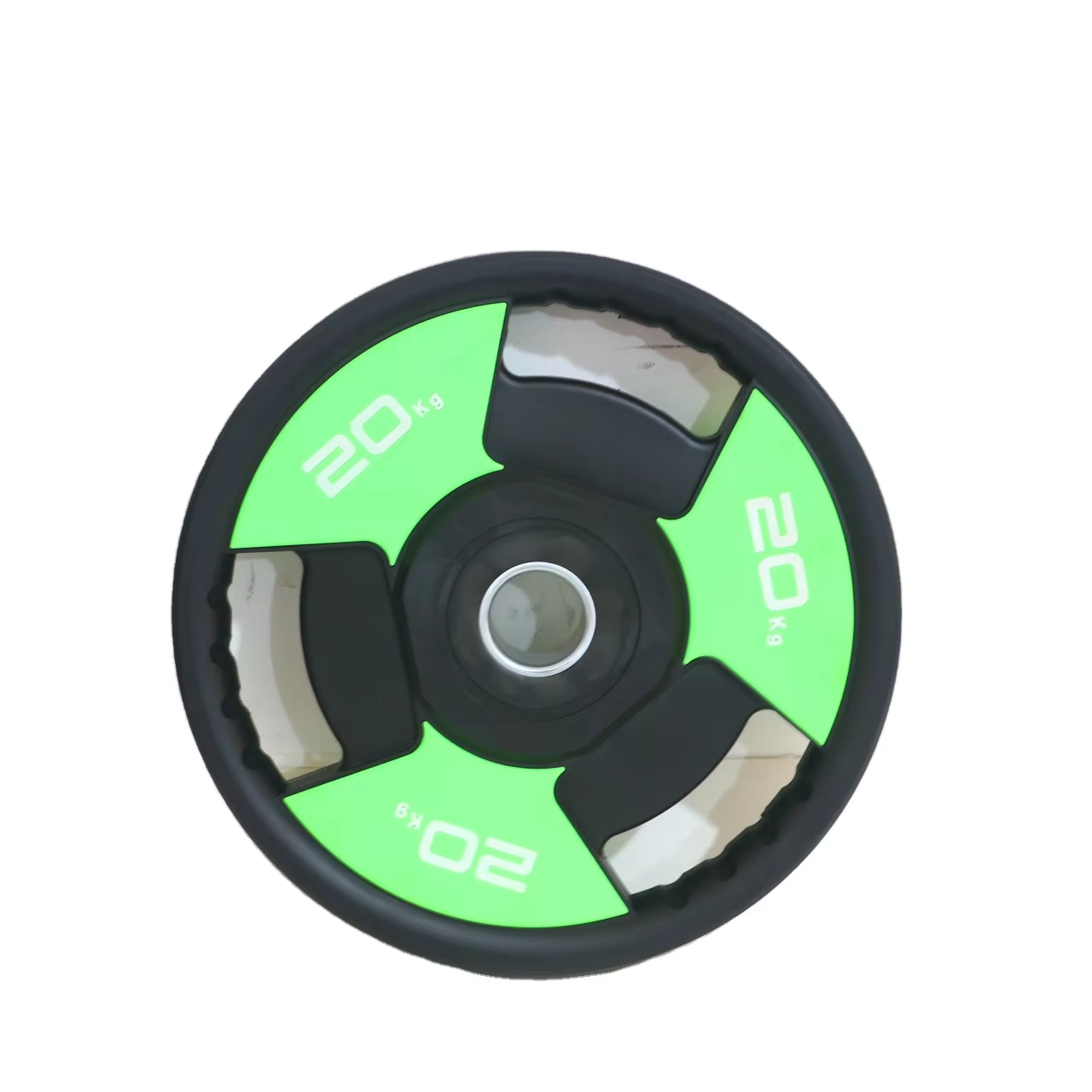
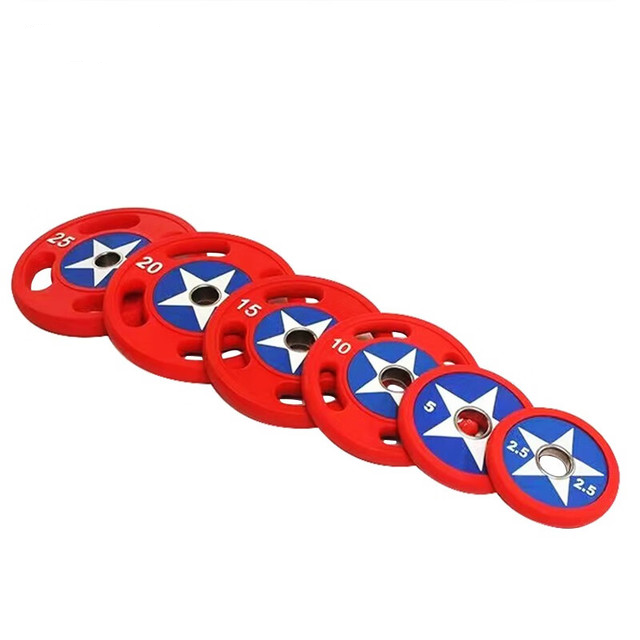
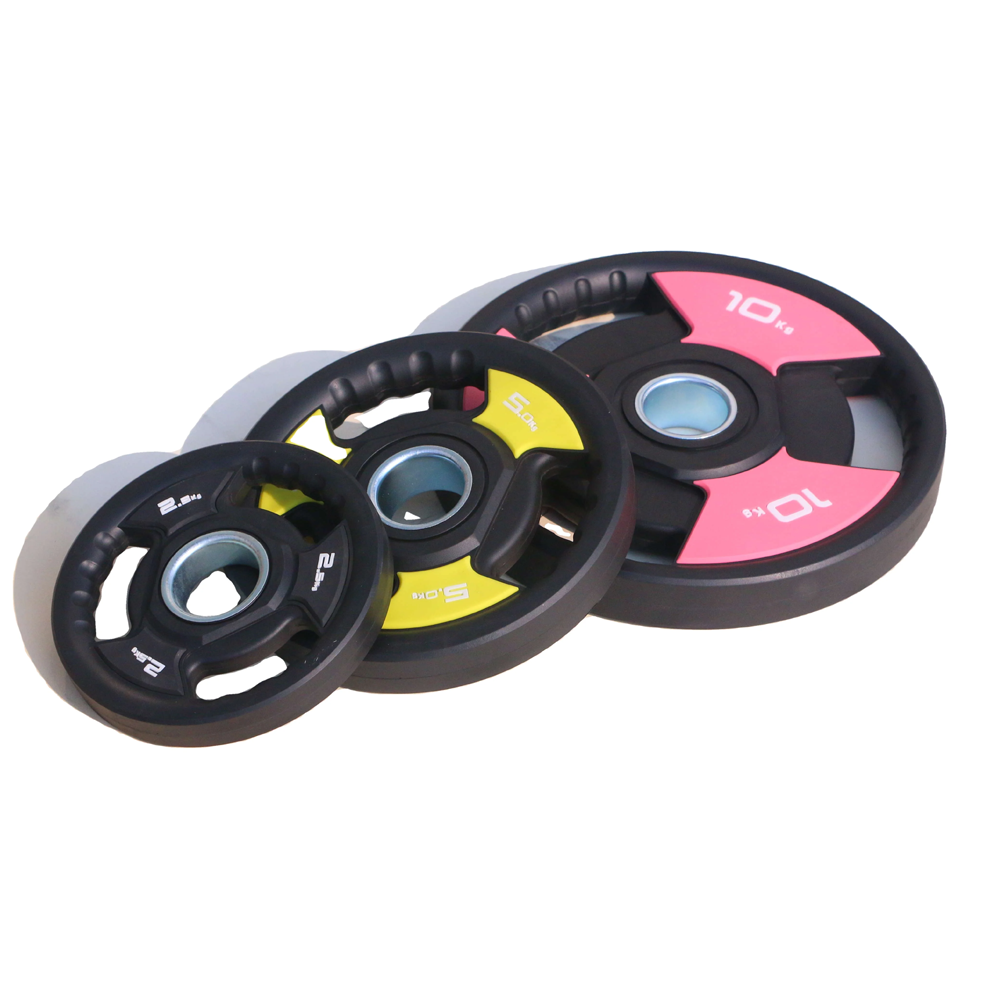
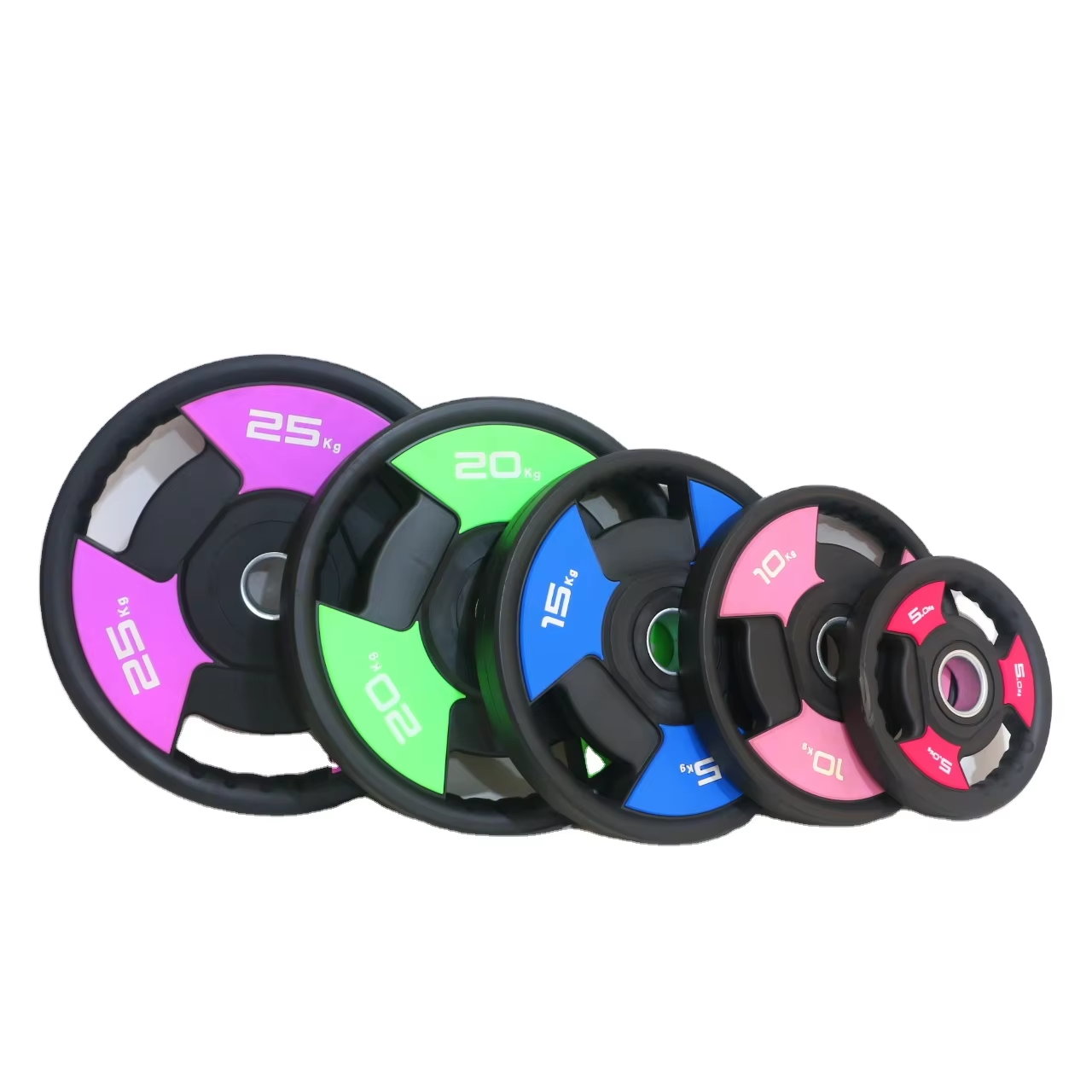
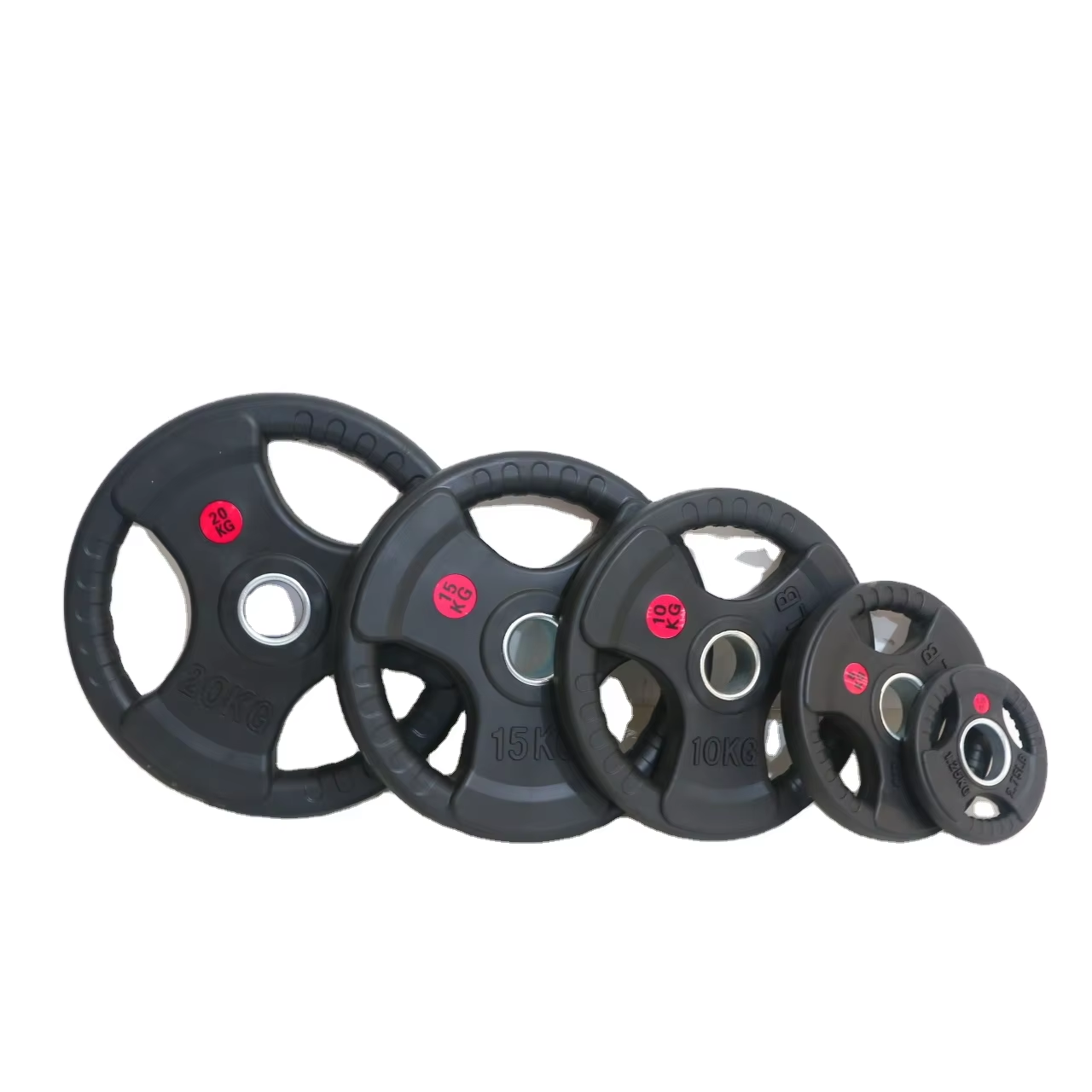
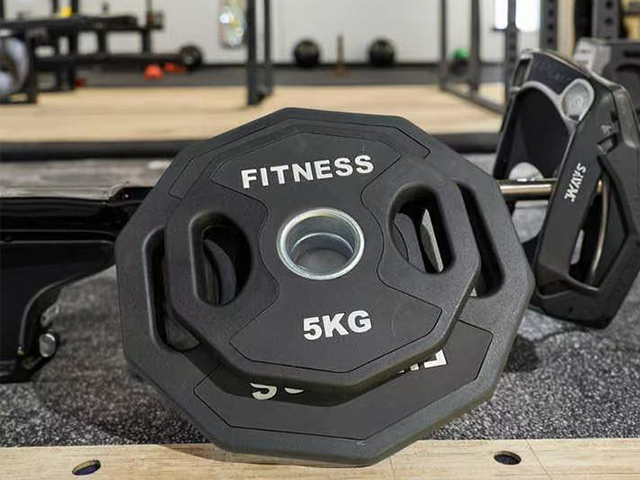
In the realm of strength training, where safety and performance are inextricably linked, the innovation of the anti-slip weight plate represents a significant advancement in gym equipment design, directly addressing a common yet critical concern for athletes, commercial gym operators, and home fitness enthusiasts alike. The primary function of any weight plate is to provide calibrated resistance, but the anti-slip weight plate elevates this basic premise by integrating specialized engineering features that prevent the plates from shifting, sliding, or spinning during dynamic movements, particularly on barbells or storage posts. This enhanced stability is paramount for safety, reducing the risk of sudden weight displacement that could lead to imbalanced lifts, dropped bars, or personal injury, thereby fostering a more confident and secure training environment. The technology behind a superior anti-slip weight plate often involves a combination of high-friction surface textures, such as a finely milled or etched perimeter, and the strategic application of durable, high-grip materials like polyurethane or specialized rubber compounds that maintain their tactile properties over time without degrading. For manufacturers with deep expertise in polymer science and fitness equipment engineering, producing these plates requires precision molding techniques to ensure the anti-slip features are consistent, durable, and do not compromise the plate's structural integrity or accurate weight calibration. Beyond the grip, the construction of these plates frequently includes a robust, internally reinforced hub that ensures a snug, non-rattling fit on Olympic or standard barbell sleeves, which is another layer of the anti-slip principle, eliminating unwanted movement at the point of contact with the bar. For functional fitness facilities where workouts involve dropping weights or rapid transitions, an anti-slip weight plate with a bumper design made from resilient, high-density rubber further ensures that the plates land stably and predictably, minimizing bounce and potential hazards. The value proposition extends to equipment longevity and gym maintenance, as plates that do not slip are less likely to suffer from the cosmetic and structural damage caused by repetitive impacts against each other or storage racks. From a user experience perspective, the psychological assurance provided by anti-slip weight plates cannot be overstated; lifters can focus entirely on their form, power output, and progression without a subconscious concern about the equipment's reliability. For a dedicated fitness manufacturer, the development of such plates is a holistic process that marries material research, athlete feedback, and rigorous testing protocols to create a product that meets the demanding standards of global markets, where equipment is subjected to diverse climates and intensive use cycles. Ultimately, investing in well-engineered anti-slip weight plates is an investment in training efficacy, facility safety, and professional-grade quality, making them an indispensable component for anyone serious about building a reliable and long-lasting strength training arsenal.
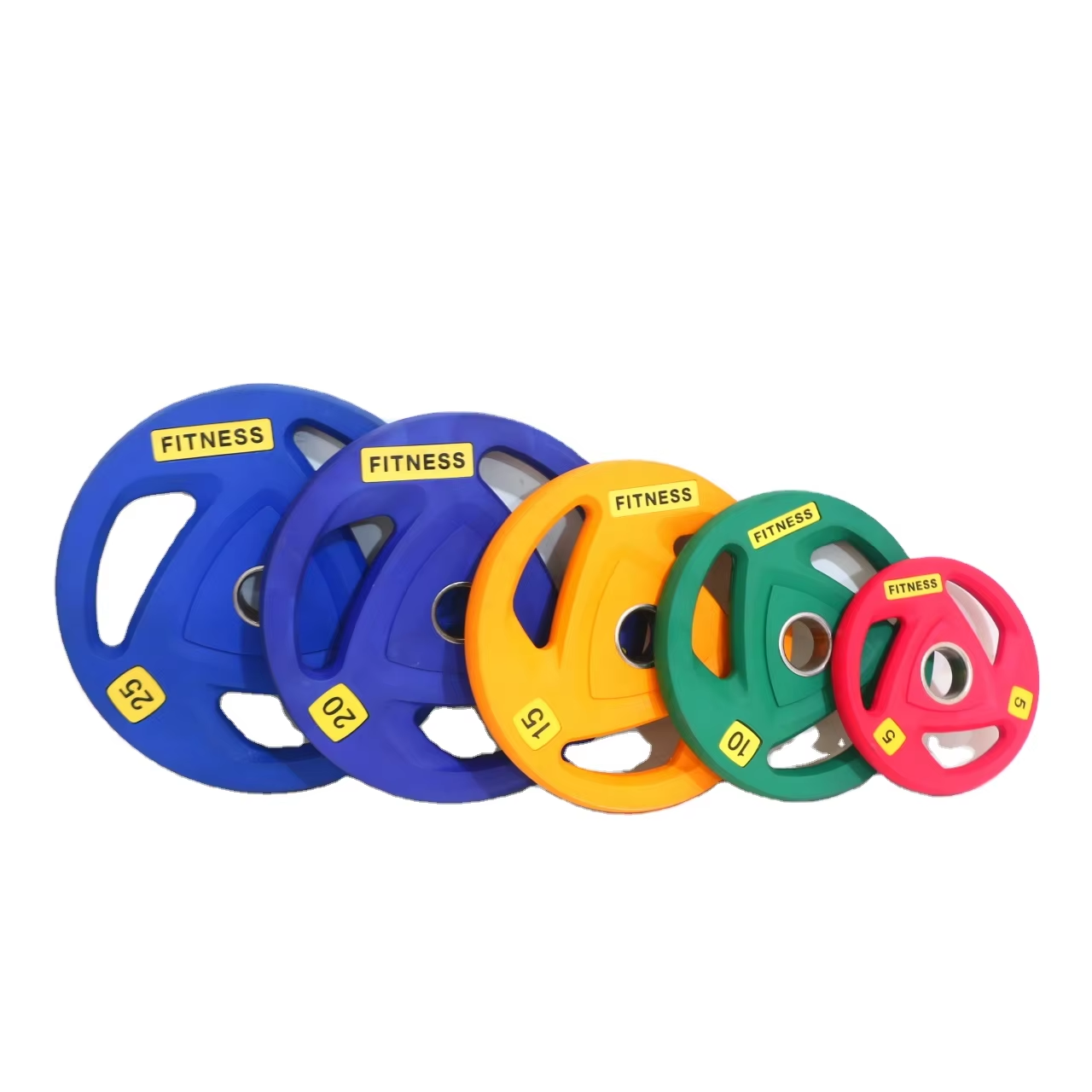

Ningjin Ruixing Sports Goods Co., Ltd. is a leading Chinese manufacturer of fitness equipment with 10+ years' experience. Specializing in dumbbells, barbells, bumper plates, and racks, we deliver high-quality products to 80+ countries. Discover durable gym solutions at competitive prices.
Chaihudian Town Industrial Park (barbell And Dumbbell Production Base), Dezhou, Shandong, China
Copyright © 2025 by Ningjin Ruixing Sports Goods Co., Ltd. Privacy Policy