EN
EN
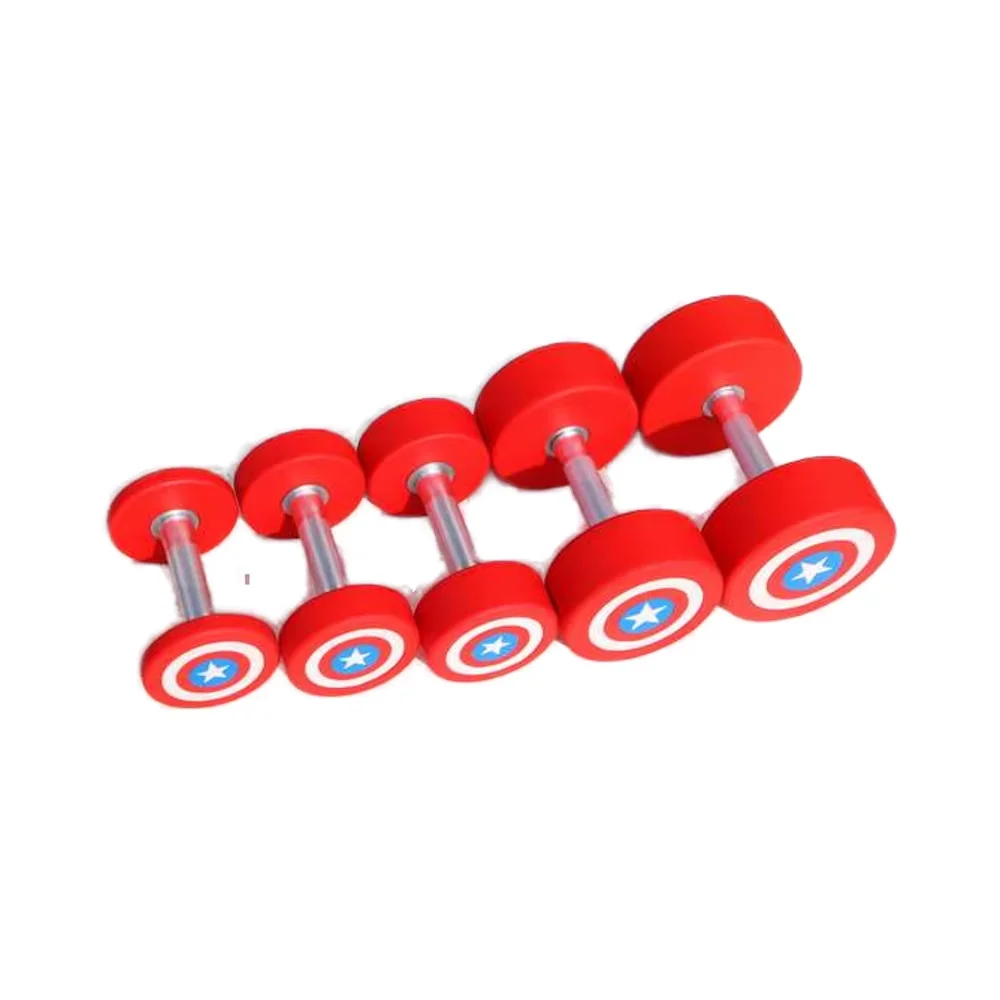
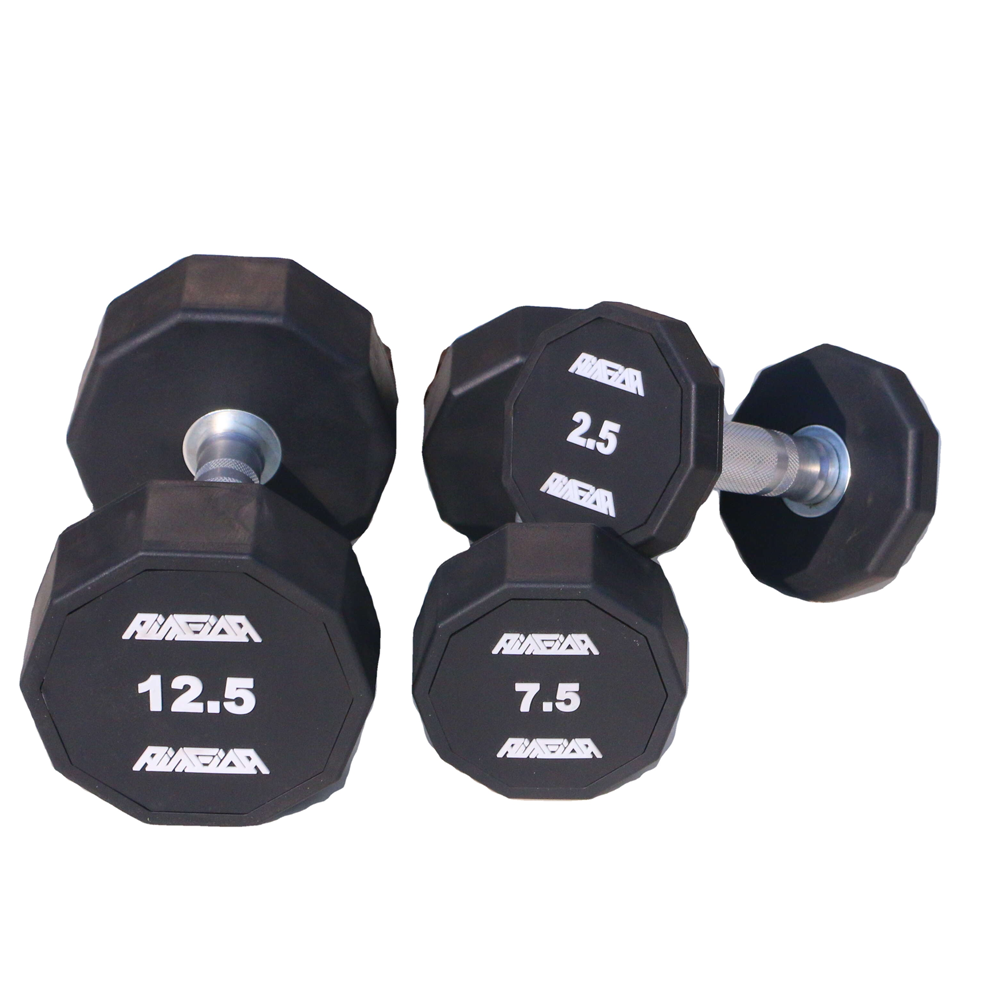
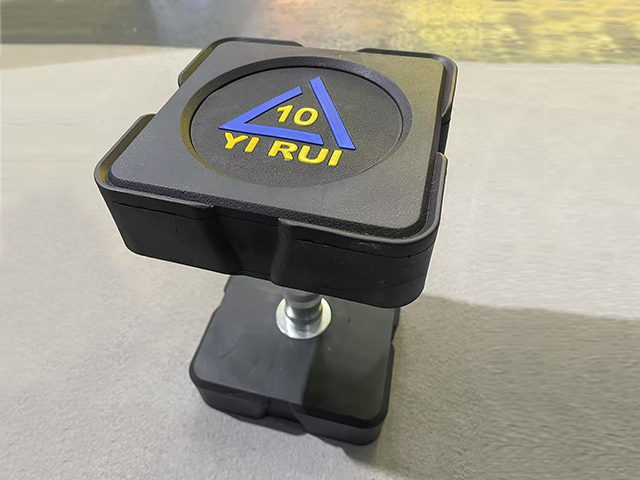
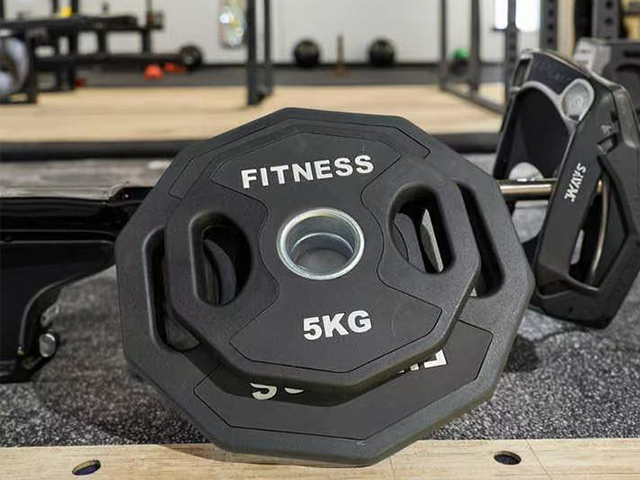
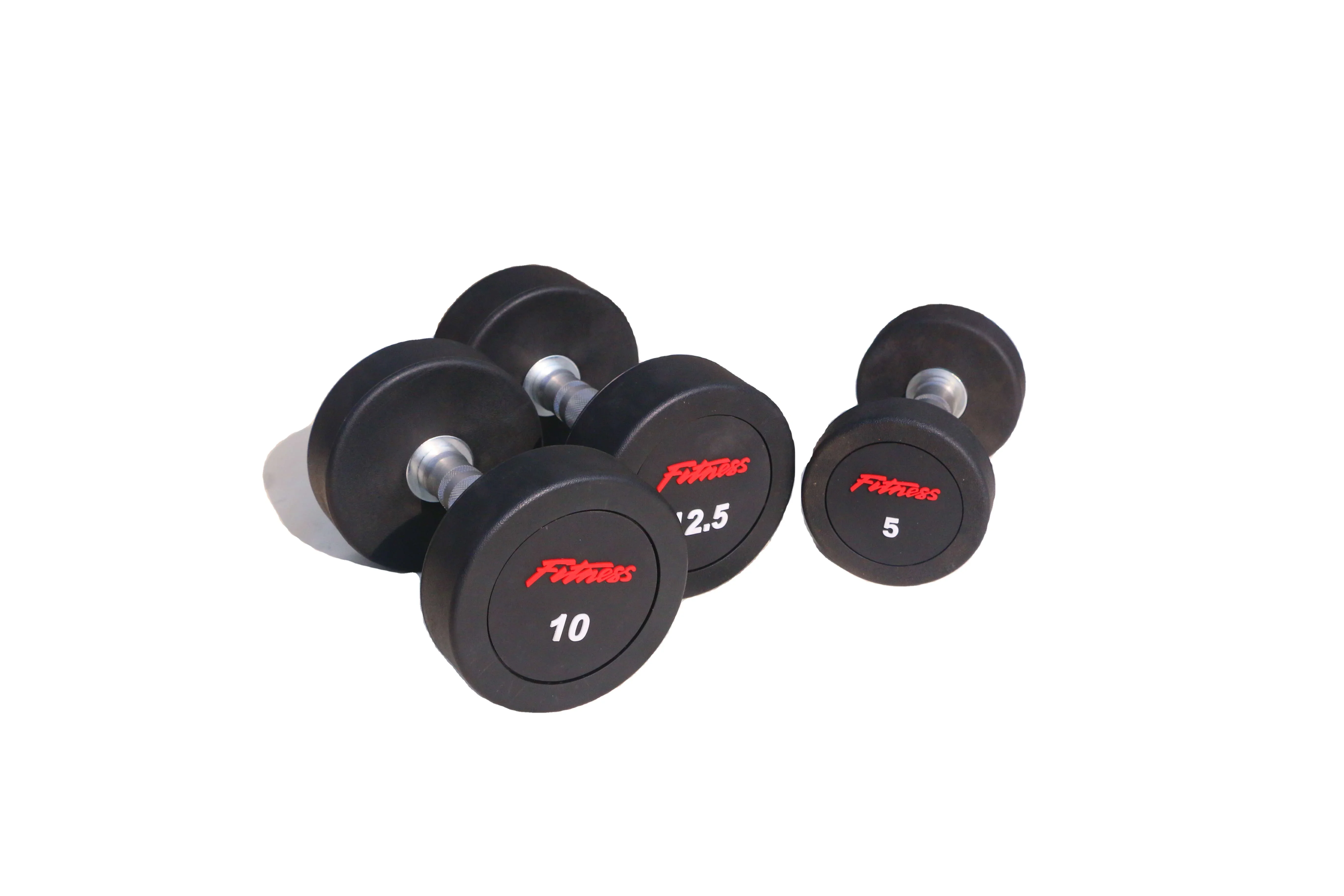
The role of a dedicated dumbbell manufacturer extends far beyond simple metal casting, encompassing a complex integration of metallurgical expertise, ergonomic design, rigorous quality control, and global logistics to produce the foundational tools used in virtually every strength and conditioning program worldwide, with the capability and processes of the manufacturer directly dictating the safety, durability, and performance of the end product. A manufacturer with deep industry tenure and vertical integration, operating its own foundry and research facilities, possesses critical control over the raw material selection, typically using high-grade cast iron or steel alloys, and the precise casting techniques that determine the dumbbell’s weight accuracy, structural integrity, and freedom from voids or imperfections that could lead to breakage. The finishing process is where significant differentiation occurs, as a leading manufacturer will offer a comprehensive range from basic cast iron with a protective paint or chrome finish to advanced rubber-coated, urethane-coated, or even neoprene dumbbells, each requiring specialized production lines and material science knowledge to ensure the coating adheres permanently, provides effective floor protection, and resists cracking, peeling, or odor generation over years of use. Ergonomics and user safety are engineered into the product through thoughtful handle design, which includes precise knurling patterns for optimal grip security without causing skin abrasion, and a consistent diameter that accommodates all hand sizes while ensuring balanced weight distribution. For commercial-grade products, manufacturing standards must account for extreme durability to withstand constant drops, impacts, and exposure to cleaning chemicals, necessitating reinforced handles, extra-thick rubber coatings, and rigorous stress-testing protocols that simulate decades of gym use. Furthermore, a global dumbbell manufacturer serving diverse international markets must navigate and comply with various safety certifications and import regulations, ensuring that products meet stringent standards for materials, labeling, and packaging, which requires a robust quality assurance framework and supply chain transparency. The ability to provide scalable solutions, from crafting small fractional dumbbells for rehabilitative work to producing large, heavy hex or round dumbbells for serious strength athletes, and even offering customizable sets or branded packaging, demonstrates a manufacturer’s flexibility and commitment to serving partners at every level. Ultimately, partnering with an experienced dumbbell manufacturer means accessing not just a product, but a promise of consistency, innovation, and reliability—a partnership built on the understanding that these simple yet vital tools are the bedrock of physical transformation for millions of users, and their quality must be uncompromising.

Ningjin Ruixing Sports Goods Co., Ltd. is a leading Chinese manufacturer of fitness equipment with 10+ years' experience. Specializing in dumbbells, barbells, bumper plates, and racks, we deliver high-quality products to 80+ countries. Discover durable gym solutions at competitive prices.
Chaihudian Town Industrial Park (barbell And Dumbbell Production Base), Dezhou, Shandong, China
Copyright © 2025 by Ningjin Ruixing Sports Goods Co., Ltd. Privacy Policy